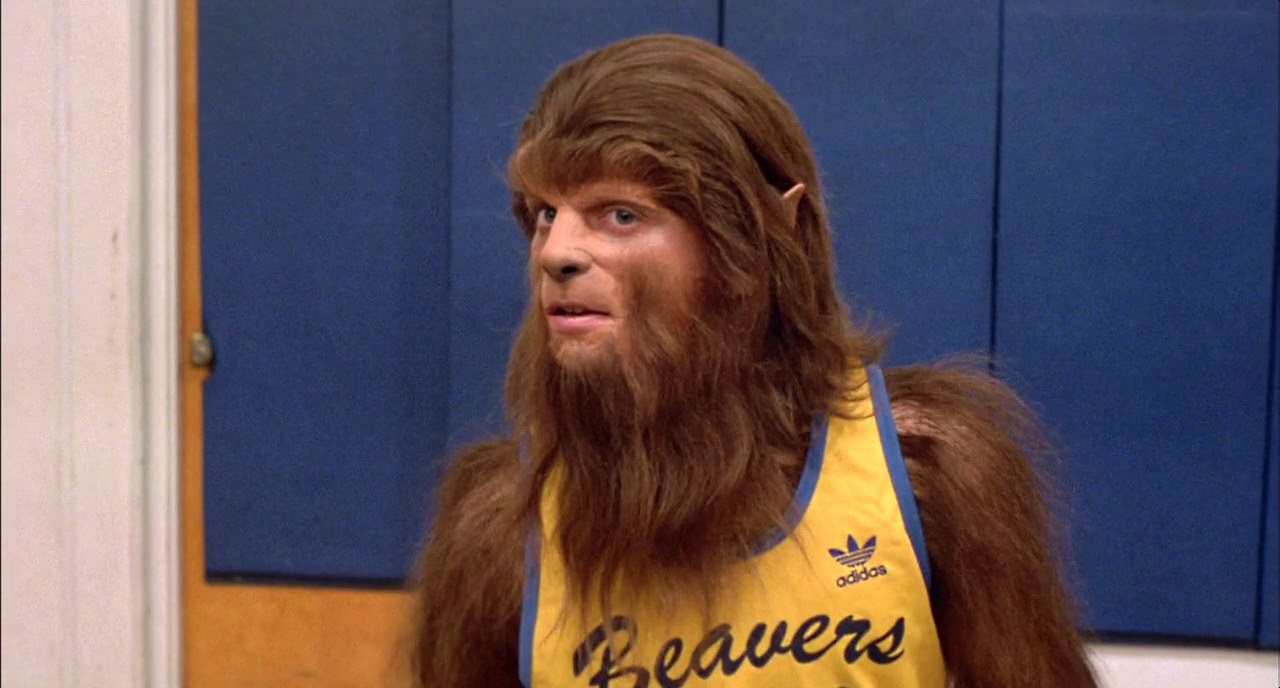
We’re certain we weren’t the only ones only dying for Ireland to hand Wales their hoops on Saturday – the teams have developed a rivalry which is, er, let’s say keen. It bugs the Irish players more than a little that, since both nations suffered such disastrous RWC07’s, Wales have won 3 Championships (with 2 Grand Slams) and made it to a RWC semi-final while we have bagged only the one Grand Slam and a quarter final. In the games between the sides, there has typically been little in it, with the exception of the RWC11 knock-out. The Ireland players wouldn’t consider themselves inferior to the Welsh in any way, and it’s a stain on their record that the Red Army Motorized Tank Division are more garlanded at this level.
Of course, that record includes Ireland’s catastrophic ’08 and ’13 seasons – fag ends of dead coaching reigns, and seasons where Wales delivered under Gatty. With Ireland now benefitting from a coaching bounce, it felt like the time to re-assert our surperiority. But how? Throw it around Baa-Baa’s style and run rings around their gargantuan backs – we will score one more than you? Sounds difficult. Shut down Plan A, mash them out of touch, maul them into submission and reduce them to a squabbling rabble by the end? Much better – the psychology of such a victory is double-edged – boost confidence and ruthlessness in the camp, and destroy the confidence of your rival. It’s classic Jose Mourinho – attack your opponent’s strength and break them down. We said Ireland would win if it was a set-piece game, and we made it that. There were 29 lineouts in all.
This was Ireland’s revenge, served ice cold. The Welsh camp was personified by the puce-faced loss of control of Mike Philips, the impotence of Sam the Eagle and Dirty Liam Williams forearm smash on Wee PJ. For the first time in years, Ireland have put together back-to-back performances – and it’s been based on ruthless execution and accuracy, dead-eyed concentration to the fore. There was real desire to do Wales for sure, but it wasn’t an emotional-high type performance like we are used to. It was like the Scottish one, but up a notch, and it bodes really well for the rest of the tournament.
Shane Horgan has mentioned it several times on the air; Joe Schmidt is what they call a ‘solutions provider’. His method is to analyse the opposition in depth and provide his players with the means to beating them. While he is famed for producing the sort of rugby with which Leinster beat Northampton in the 2011 Heineken Cup final, he is a pragmatist at heart, and when it comes to selection he picks not those he deems to be his best players, but those who can best execute the plan.
Peter O’Mahony’s deployment is a classic example of maximising use of resources. O’Mahony’s weak point is his tackling, which is neither frequent nor powerful, but by deploying him at the ruck, Schmidt has both nullified his weakness and amplified his strength. The sight of the No.6 bent over the ball winning yet another turnover penalty has become the iconic image of the series so far. And the positive body language between he and Jamie Heaslip – two chaps who haven’t exactly dovetailed well in their careers to date – when he won a penalty to end Wales’ only sustained pressure in the first hour was noticeable.
Equally positive has been the performance of the wings. Eyebrows were raised – and not just in Munster – when Simon Zebo was left out of the squad. Dave Kearney and Andrew Trimble are more mundane talents, but they have rewarded their coach amply. Both are playing superbly, to the manor born. Leinster fans have gotten used to unexpected selection calls from Schmidt bearing fruit over the 80 minutes on the pitch; now the rest of the country will start to get the same feeling.
Another tick-mark in Schmidt’s copy book was the decision to replace O’Connell. The iron-willed collossus was patently short of match-fitness, but gave his all for fifty-five minutes, as only he can. Previous coaching tickets would have tried to bleed more out of him, but showing trust in the reserves is another great property of Schmidt. He showed it in Clermont when he put a youthful Eoin O’Malley and Fergus McFadden in the team, and still went out to attack Les Jaunards and look to win the game. And he showed it here, by taking O’Connell off early, and showing his trust in Dan Tuohy to step up to the mark. Tuohy’s arm-break is unfortunate, so a return to action for Mike McCarthy and Donnacha Ryan could be timely.
From here, it’s over to Twickers, with zero tries and just nine points conceded. England have the biggest pack in the competition, but the like of Hartley, Cole, Lawes and Robshaw (the spine of the English pack) have found themselves humiliated by Irish opponents on their own turf in the last 12 months. Playing with this kind of focus and power, Ireland are not going to be frightened by the red rose, but this is the hardest game of the series to date. And there is silverware at stake – if Ireland win, it’s a first Triple Crown in five years, after four in six before that (we shudder at how the Triple Crown was dismissed as a virtual irrelevance ahead of the Scotland game in 2010 – hubris like that won’t happen again soon).
Just because it worked against Wales, doesn’t mean it’ll work against England, and Schmidt will make the necessary adjustments and changes to the approach; providing the players with the next solution, the one to beat England. A powerful lineout maul and kicking game will not be enough this time, because England can match us in those areas. This might be the game to try and put a little bit more through the backs. Don’t be entirely surprised to see some ruthlessness from Schmidt. Perhaps one of Bowe, Fitzgerald or Zebo will come into the team to provide a little more cutting edge.
This year has that feeling to it, you know. The game against England is going to be an absolute ding-dong. We cannot wait.
PS. We loved Gatland’s comment when asked about O’Mahony: ‘You can never underestimate the passion a Munster man will bring to a match’. It seems that POM’s public image has even filtered through to the Welsh. It wasn’t his flawless technique over the ball and exceptional skills in the lineout that dominated the game; it was his passion.
 Whiff of Cordite